
FLUID COLLECTION | PROCESS
2024
FLUID | THE METALLURGY OF DELIBERATE FORM
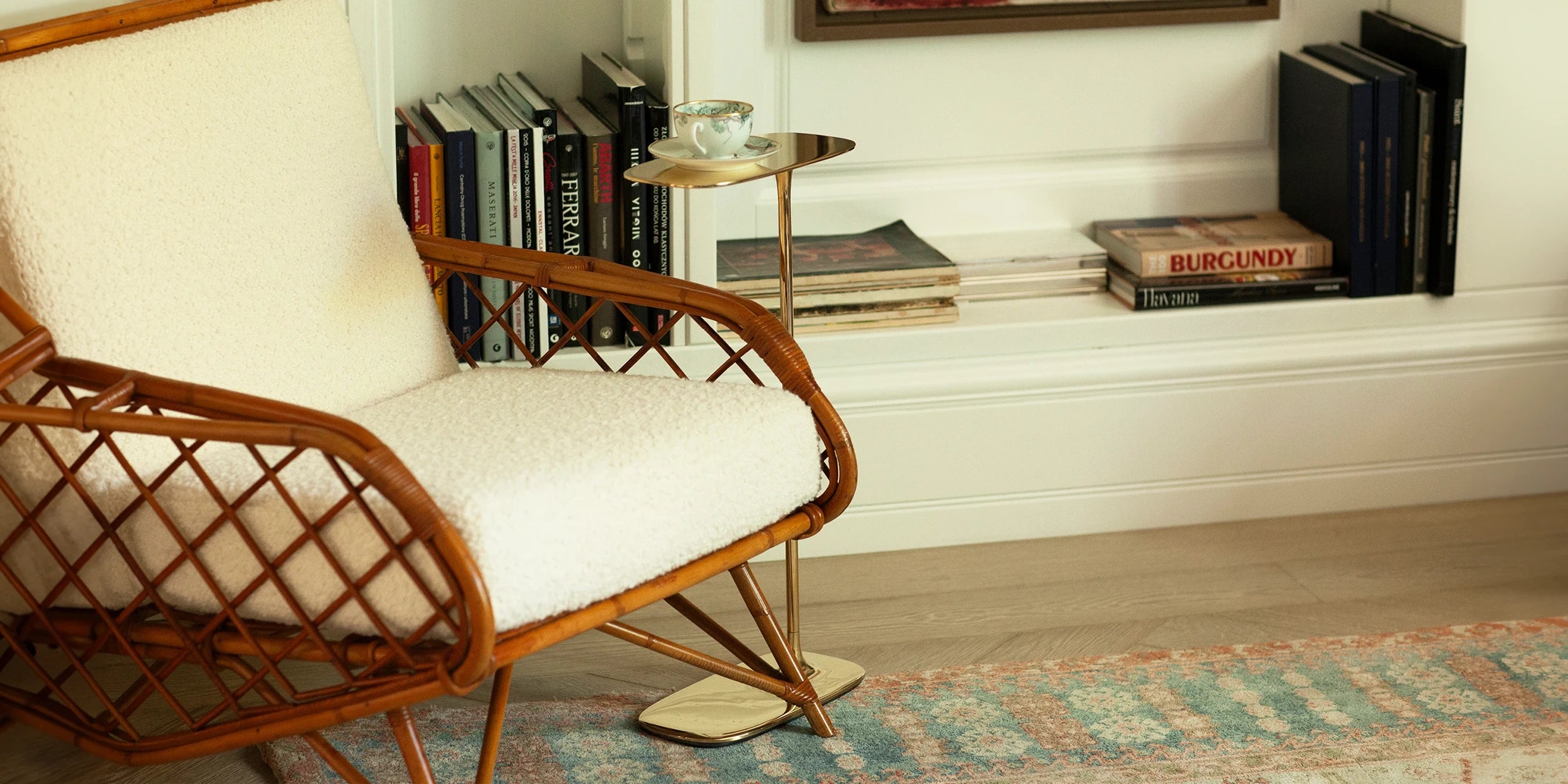
The Fluid collection is an exploration of phase transition—the exact micro-moment where molten alloy loses its kinetic energy and assumes a permanent, monolithic geometry. Utilizing high-density sand-casting (a traditional gravity-fed process), we translate digital fluid dynamics into solid-state objects. Each piece is a raw record of thermal mass and industrial force.
I. SILICA MORPHOLOGY | THE IMPRINT
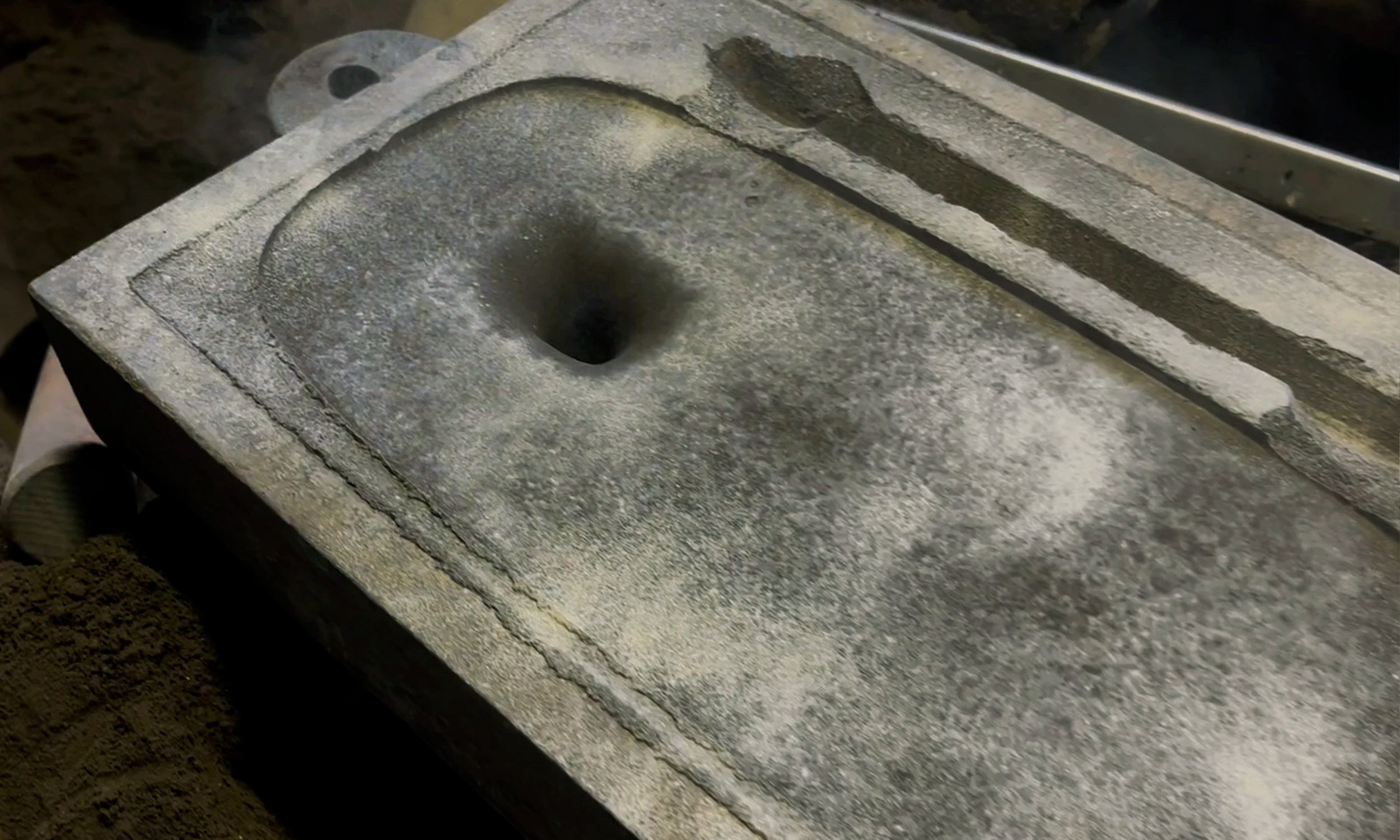
To create the "negative," we utilize high-fidelity patterns pressed into bonded silica sand. This medium is chosen for its unique granular morphology, allowing the air to escape while capturing the most minute surface data. It is a process of extreme pressure; the sand must be packed with enough density to withstand the sheer hydrostatic pressure of the liquid metal, yet remain porous enough to let the object "breathe" as it forms.
II. THERMAL KINETICS | THE INCANDESCENT POUR
In the foundry, brass and aluminium reach their eutectic point—the temperature at which they transition into a state of pure, incandescent liquidity. We perform a gravity pour at over 1,000°C. As the liquid alloy floods the sand gates, it undergoes rapid atmospheric displacement. This is a violent, high-energy event where the metal fights to occupy the void, ensuring the final object possesses a dense, structural integrity that CNC machining simply cannot replicate.
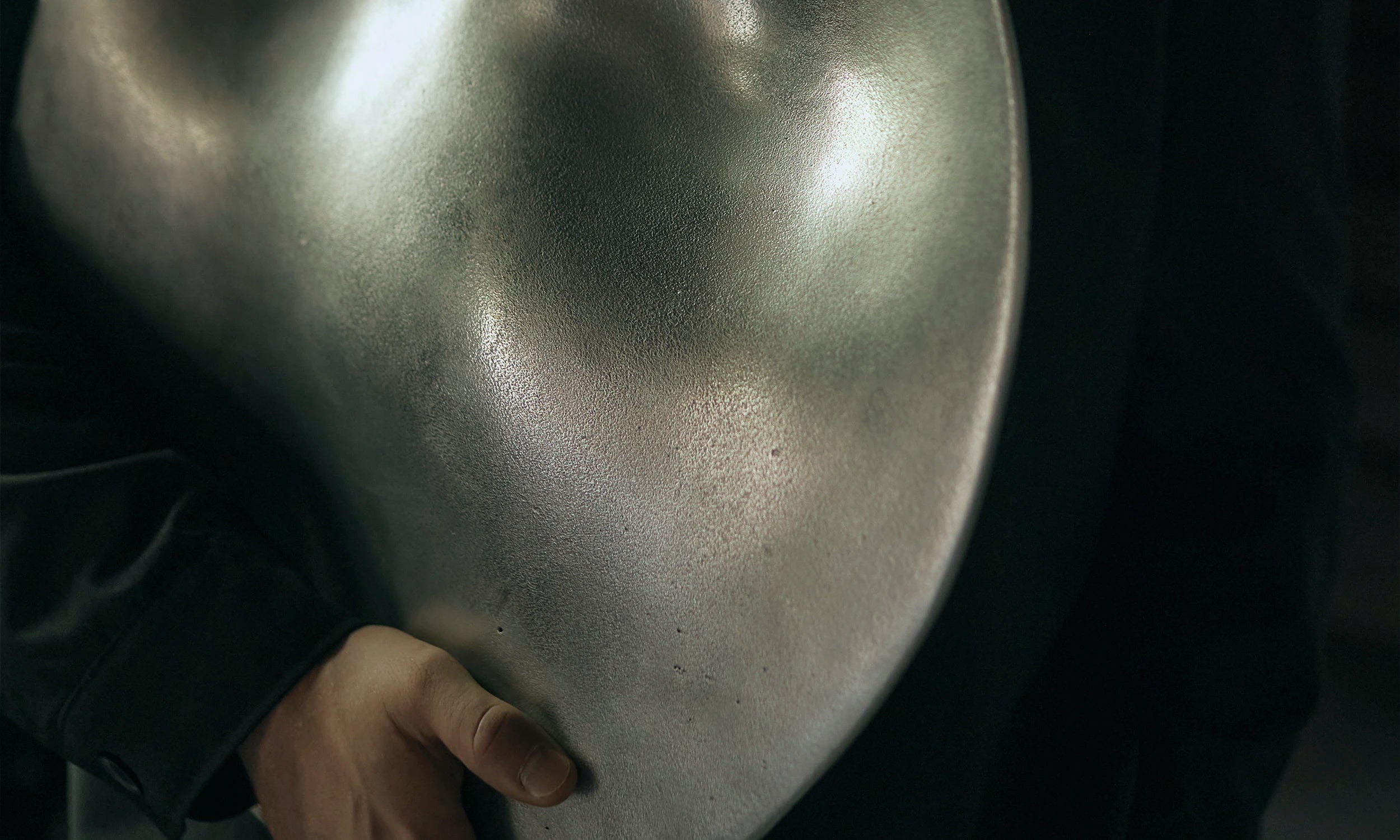
III. MACRO-POROSITY | THE GEOLOGY OF METAL
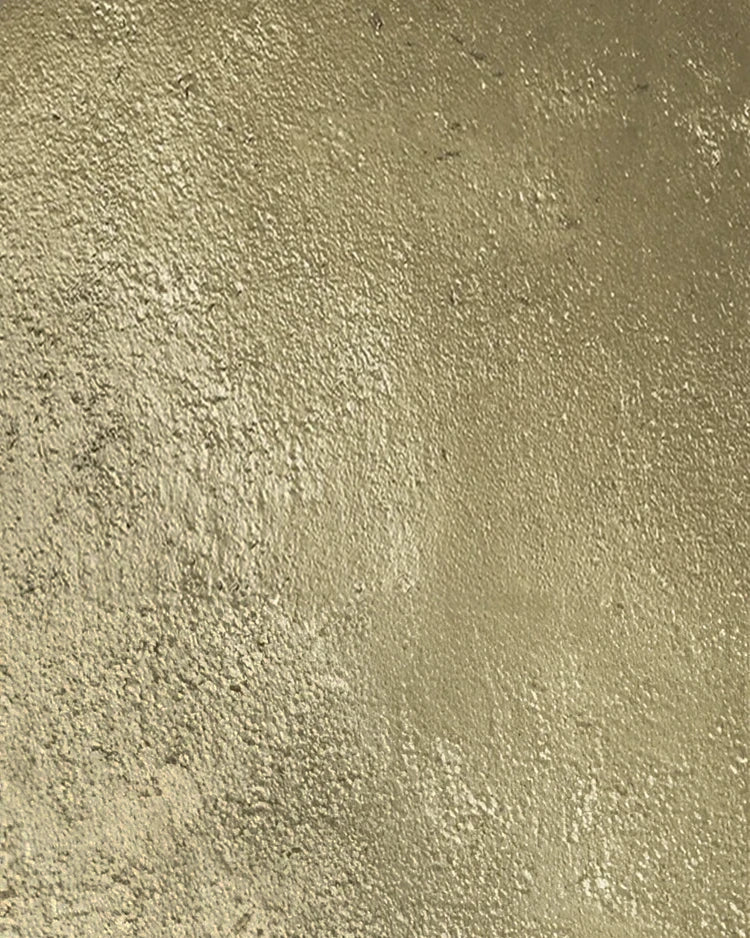
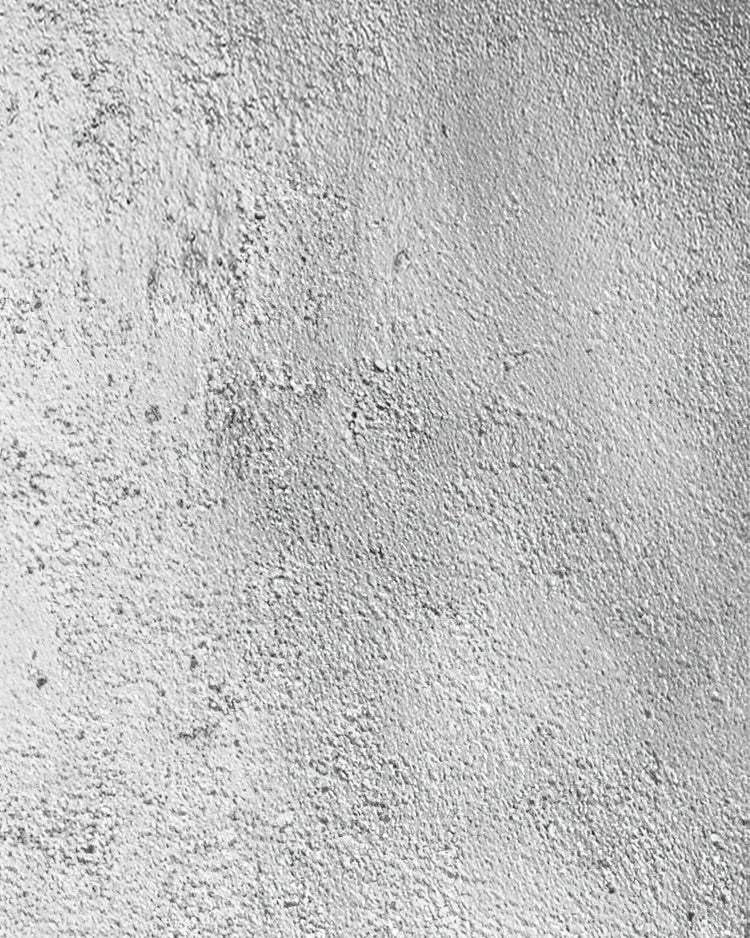
During solidification shrinkage, the metal’s "skin" is formed. Unlike mass-produced die-casting, our sand-cast process encourages macro-porosity and surface irregularities. These are not defects; they are the geological signatures of the foundry. This "sand-skin" provides a tactile, granular topography—a physical narrative of the metal’s journey from a liquid stream to a permanent, sculptural anchor.
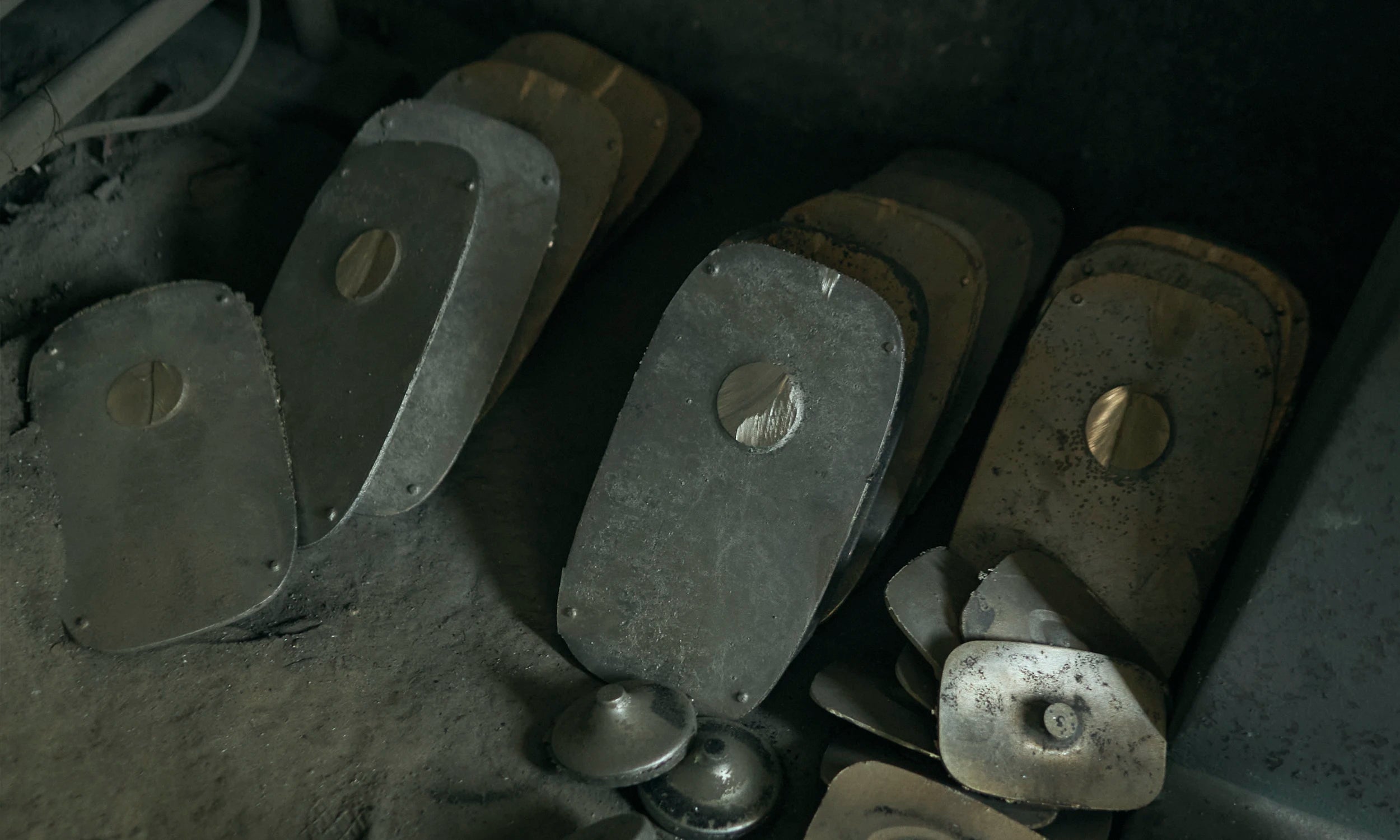
IV. SURFACE ARCHITECTURE | MECHANICAL REFINEMENT
The final phase is Mechanical Refinement. Every casting is subjected to a series of abrasive stages—from coarse-grit removal to fine-satin brushing or mirror-polishing. For our aged finishes, we utilize accelerated oxidation (patination) to create a protective, aesthetic layer of history. The result is a balance of industrial weight and refined surface architecture, designed to exist as a generational artifact.
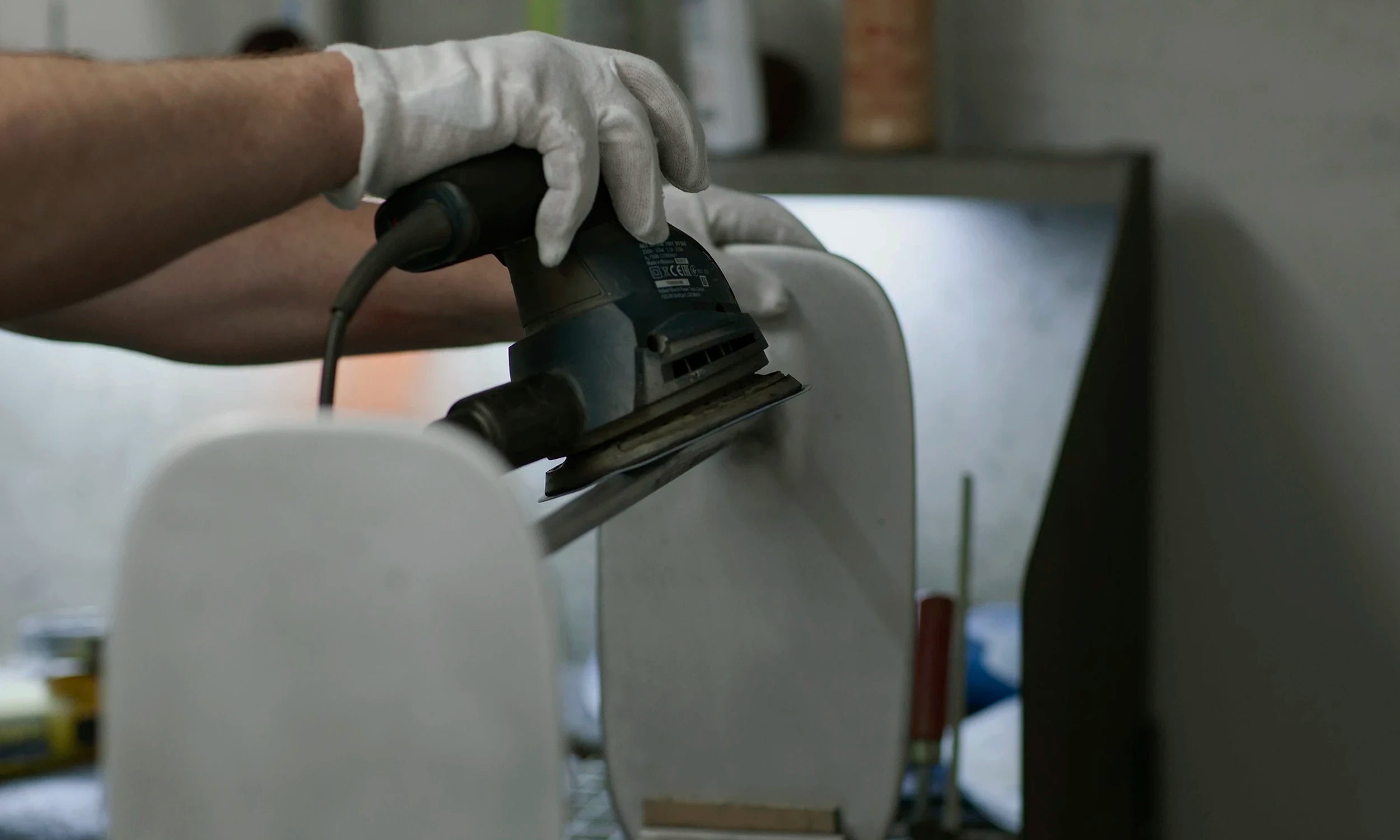
V. THE FINISHING TOUCH | HUMAN PRECISION
The final character of each UNISM piece is defined by the deliberate intervention of the human hand. We do not use automated industrial lines; instead, our craftsmen utilize hand-held machinery to refine the raw metal, followed by meticulous manual finishing. This ensures that every object retains a unique soul that mass production cannot replicate.
- POLISHED: A multi-stage process involving heavy, hand-held mechanical buffing. Using increasingly fine abrasive compounds, our artisans remove surface irregularities until the metal reaches a mirror-like state. A final manual polish is applied to ensure optical clarity.
- BRUSHED: Achieved through controlled linear abrasion using hand-held tools. Our craftsmen apply a uniform, satin-like grain across the metal’s surface, diffusing light into a soft, architectural glow.
- TEXTURED: To preserve the "sand-cast skin," our artisans perform a careful manual cleaning of the raw casting. By avoiding aggressive automated surfacing, we protect the granular topography and micro-porosity of the foundry process.
- AGED: A result of manual chemical oxidation. Specialized agents are hand-applied directly to the metal to trigger a reaction that deepens its tone. The resulting weathered character is non-uniform and unique to every piece.
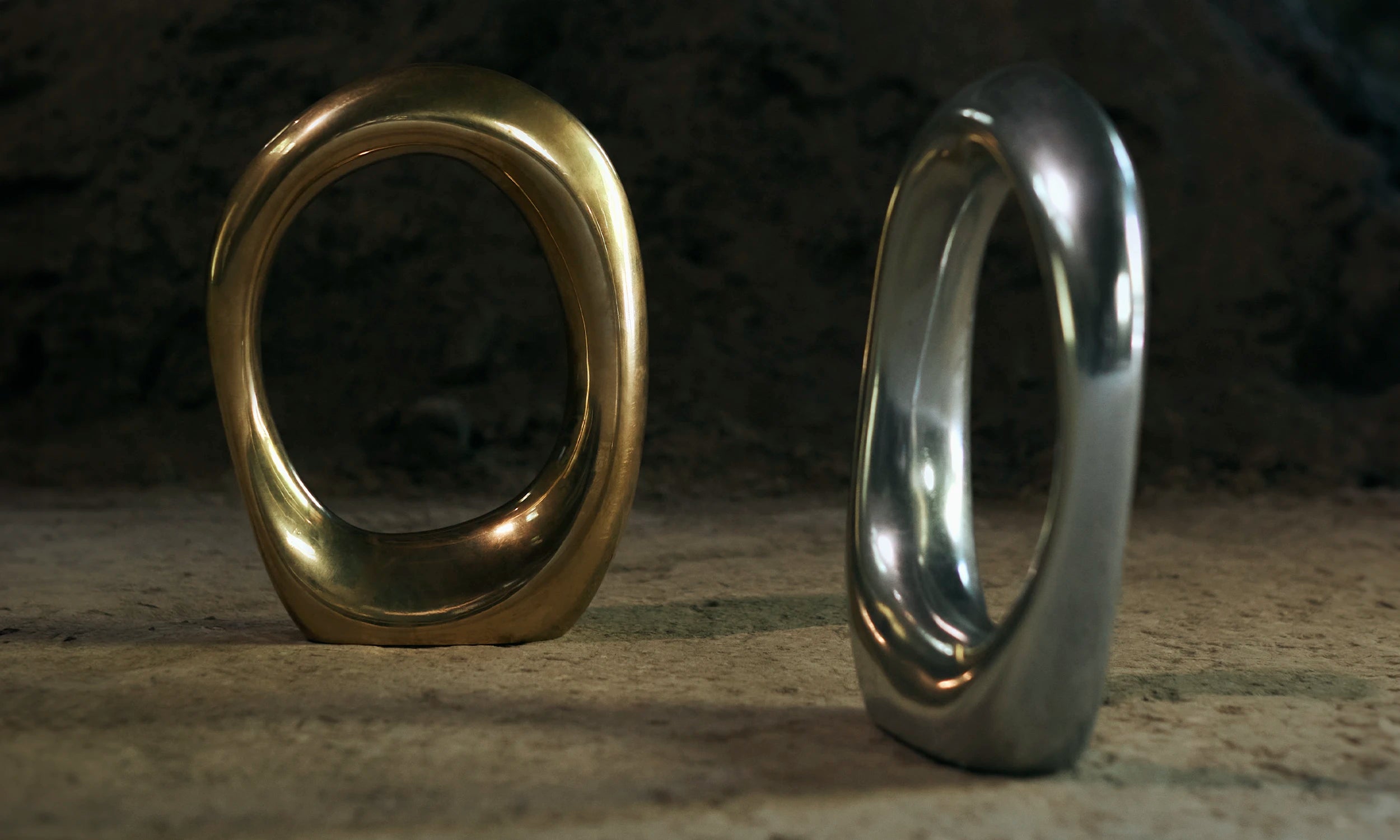
VI. SURFACE STABILIZATION
The final stage of our production protocol is the stabilization of the metal. To preserve the surface while maintaining its tactile honesty, we apply a protective barrier tailored to the specific properties of the alloy. Depending on the metal and finish, we utilize either a natural, non-toxic microcrystalline wax or an advanced non-toxic ceramic nano-coating. These invisible shields secure the material against environmental factors and oxidation without compromising the authentic, raw feel of the hand-finished metal.
Explore our range of available finishes